 Oleksii Andriiuk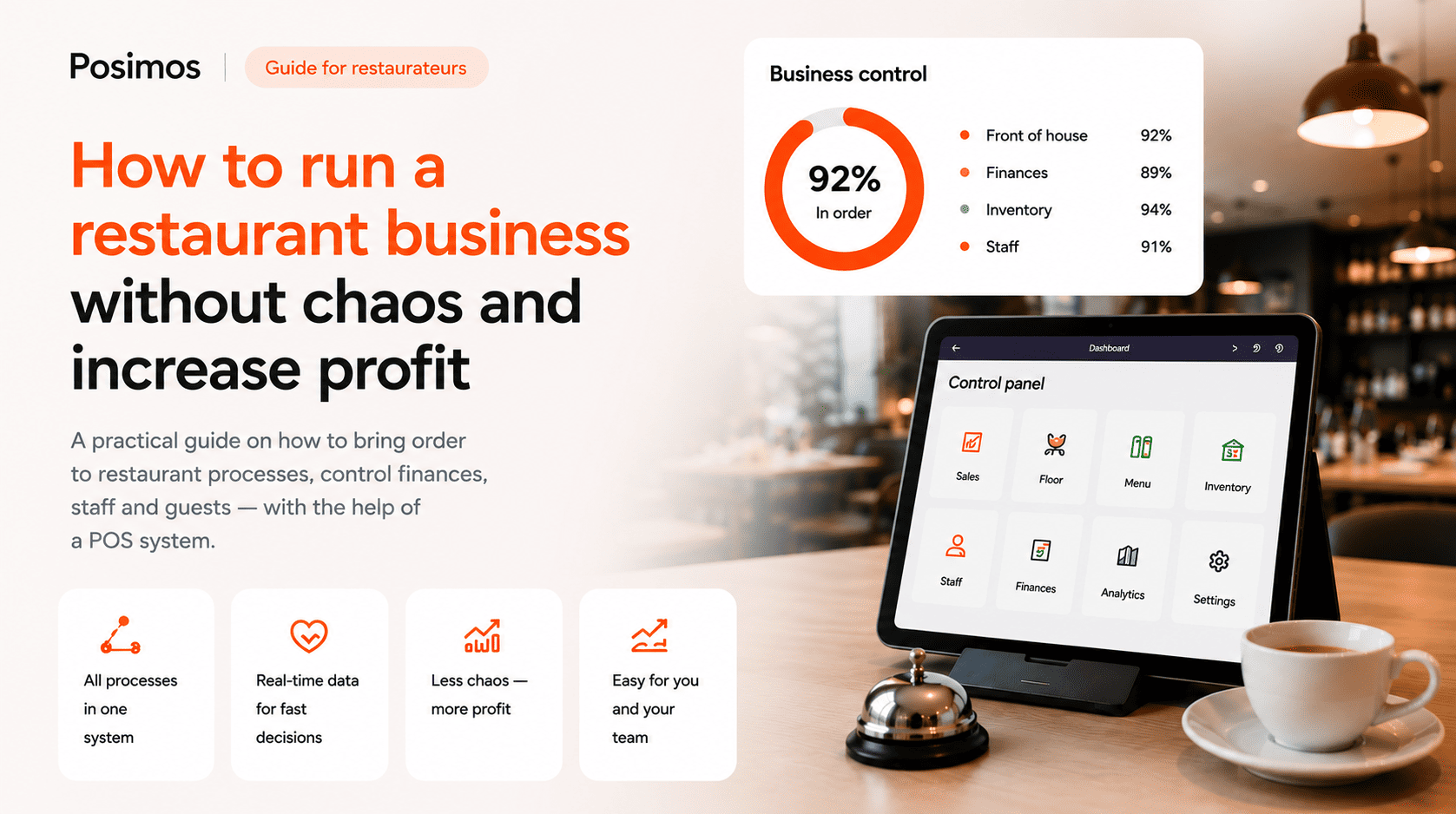
How to Run a Restaurant Without Chaos: Practical Tips for Restaurant Owners
Running a restaurant involves dozens of processes that must work together smoothly every single day. Orders arrive continuously, the kitchen prepares meals, servers assist guests, managers oversee daily operations, and owners expect everything to function like a well-organized system.
In reality, even small mistakes can lead to significant problems. Incorrect inventory write-offs, delayed purchasing, or a lack of sales control gradually accumulate and begin to affect profitability.
Avoiding operational chaos requires more than just a great team. It also depends on well-defined processes and efficient management. Below are several practical principles that can help you simplify restaurant operations and improve overall performance.
Don't Try to Manage Everything Manually
Many restaurant owners begin by tracking information in spreadsheets or notebooks. This approach may work for a small business, but as the number of customers and employees grows, manual management quickly becomes time-consuming.
Instead of focusing on business growth, owners often spend their day searching for answers to questions like:
- How much inventory is left in stock?
- Were all orders properly processed through the POS?
- Who opened or closed today's shift?
- Which menu items are selling the most?
- Were there any canceled orders or refunds?
If finding this information takes a significant amount of time every day, it's a clear sign that your management processes need improvement.
Establish Standard Operating Procedures
Even experienced employees may perform the same task differently. That's why every important process should follow a consistent set of rules.
Create clear procedures for tasks such as:
- Receiving inventory deliveries
- Opening and closing shifts
- Performing inventory counts
- Processing refunds
- Recording ingredient consumption
- Handling customer orders
When everyone follows the same workflow, mistakes become less frequent and new employees can be trained much faster.
Keep Inventory Under Control
Inventory management has a direct impact on your restaurant's profitability. When stock records don't match reality, businesses often experience unnecessary purchasing, food waste, or shortages of popular ingredients.
An effective inventory management system helps you:
- Monitor real-time stock levels
- Plan purchases more accurately
- Reduce unnecessary write-offs
- Prevent over-ordering
- Complete inventory counts more efficiently
The more accurate your inventory records are, the easier it becomes to control costs and forecast future demand.
Use Recipe Cards
Recipe cards are much more than cooking instructions. They define exactly which ingredients are used, in what quantities, and how much each dish actually costs to prepare.
Properly maintained recipe cards help you:
- Maintain consistent food quality
- Calculate food costs accurately
- Automate ingredient deductions from inventory
- Control kitchen expenses
As a result, managers receive reliable cost data and can make better business decisions.
Monitor Key Performance Indicators Regularly
Successful restaurant management depends on making decisions based on accurate data rather than assumptions.
The following metrics should be reviewed every day:
- Daily revenue
- Average check size
- Number of orders
- Inventory levels
- Product write-offs
- Food cost percentage
- Best-selling menu items
Regular analysis allows you to identify issues early and prevent costly financial losses.
Automate Repetitive Tasks
Restaurant teams perform many repetitive tasks throughout the day. Handling these manually increases the risk of human error while consuming valuable working hours.
Automation makes it possible to:
- Generate reports automatically
- Deduct ingredients from inventory after each sale
- Monitor inventory in real time
- Store complete sales history
- Manage recipe cards
- Access up-to-date business analytics
This allows employees to spend more time serving guests instead of completing administrative work.
Focus on Growing Your Business—Not Solving Daily Problems
Restaurant owners should spend their time improving the business, not constantly putting out operational fires.
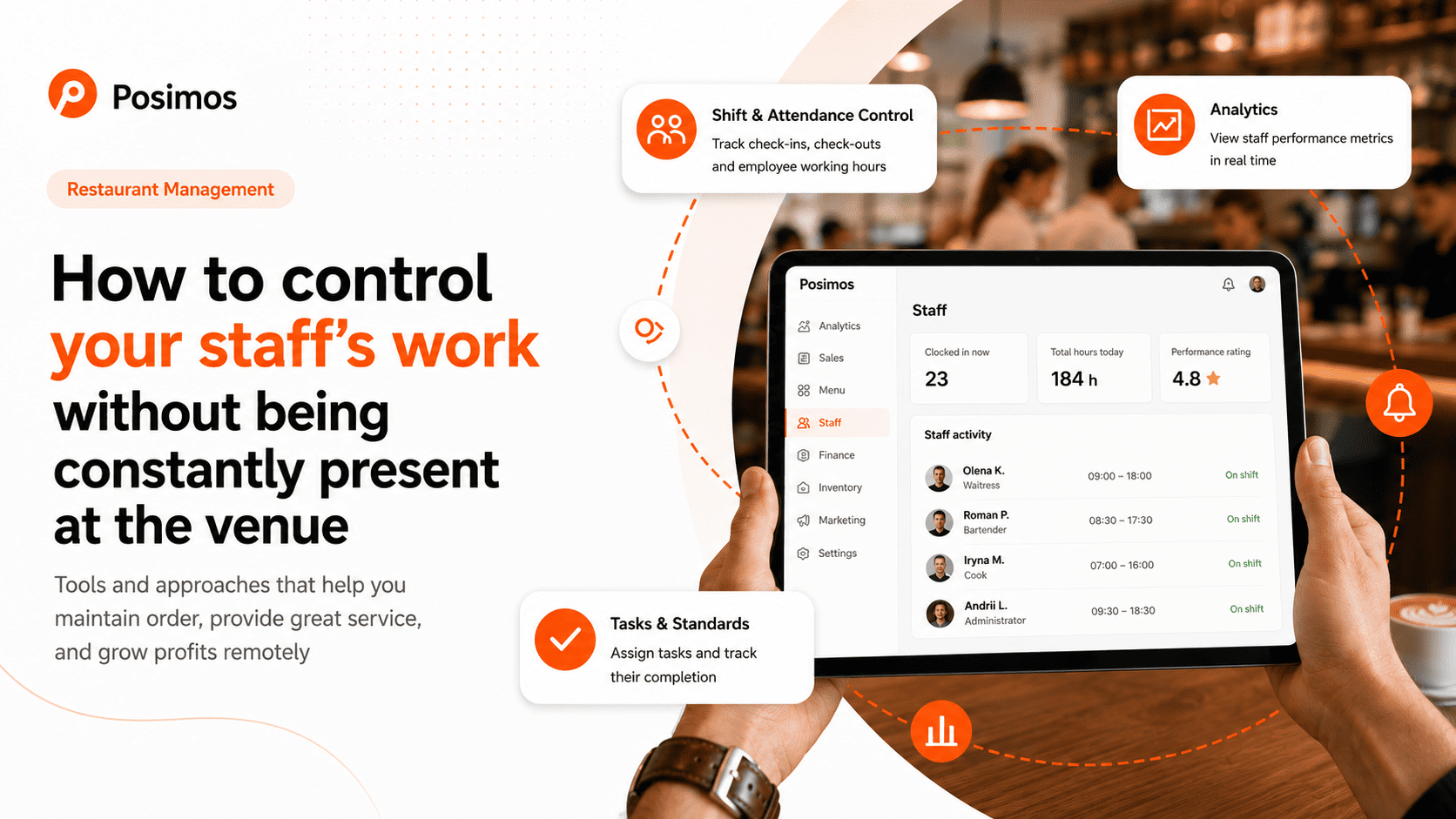
When every process is connected within a single system, it's much easier to monitor employee performance, analyze financial results, and plan future growth.
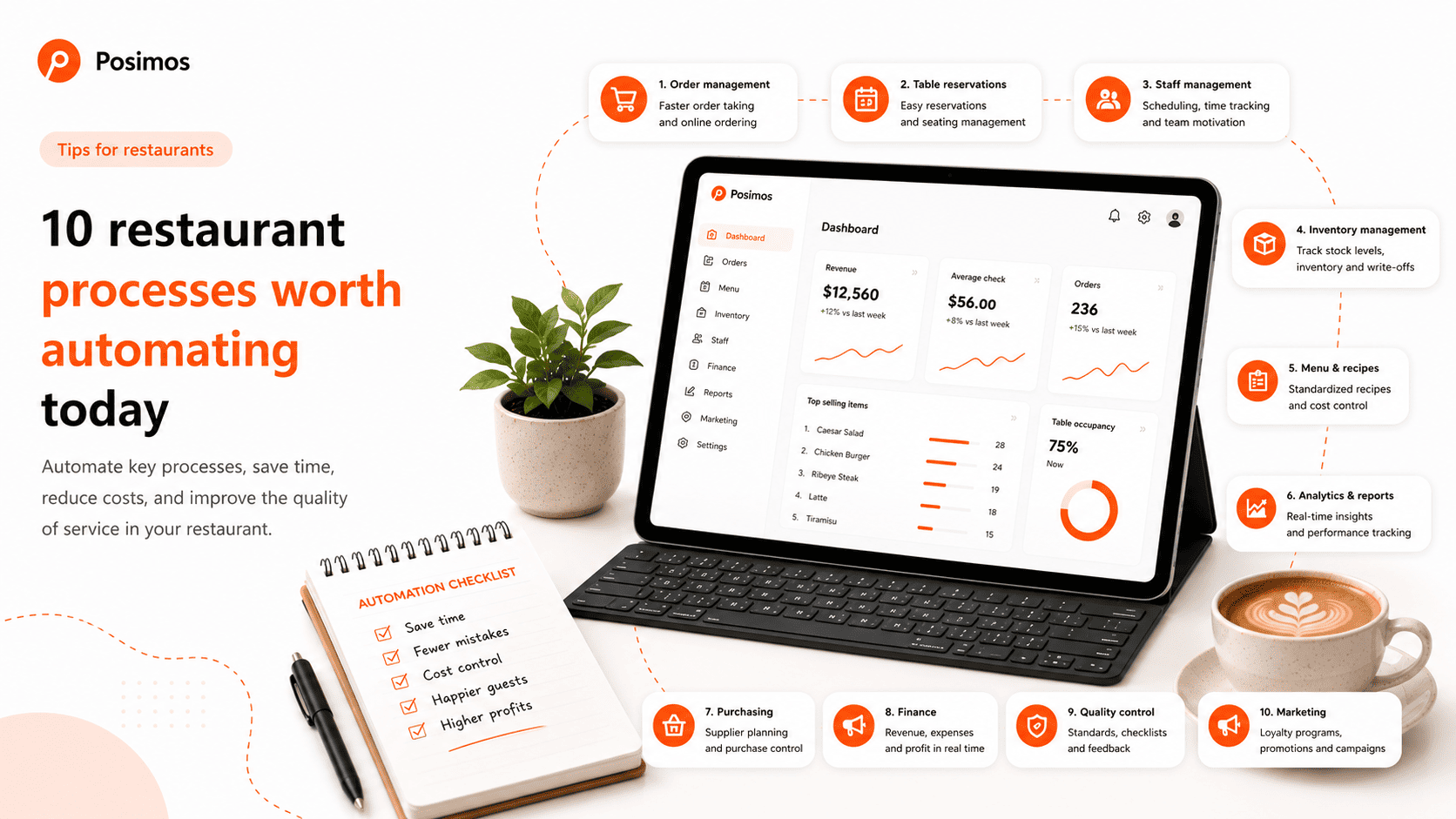
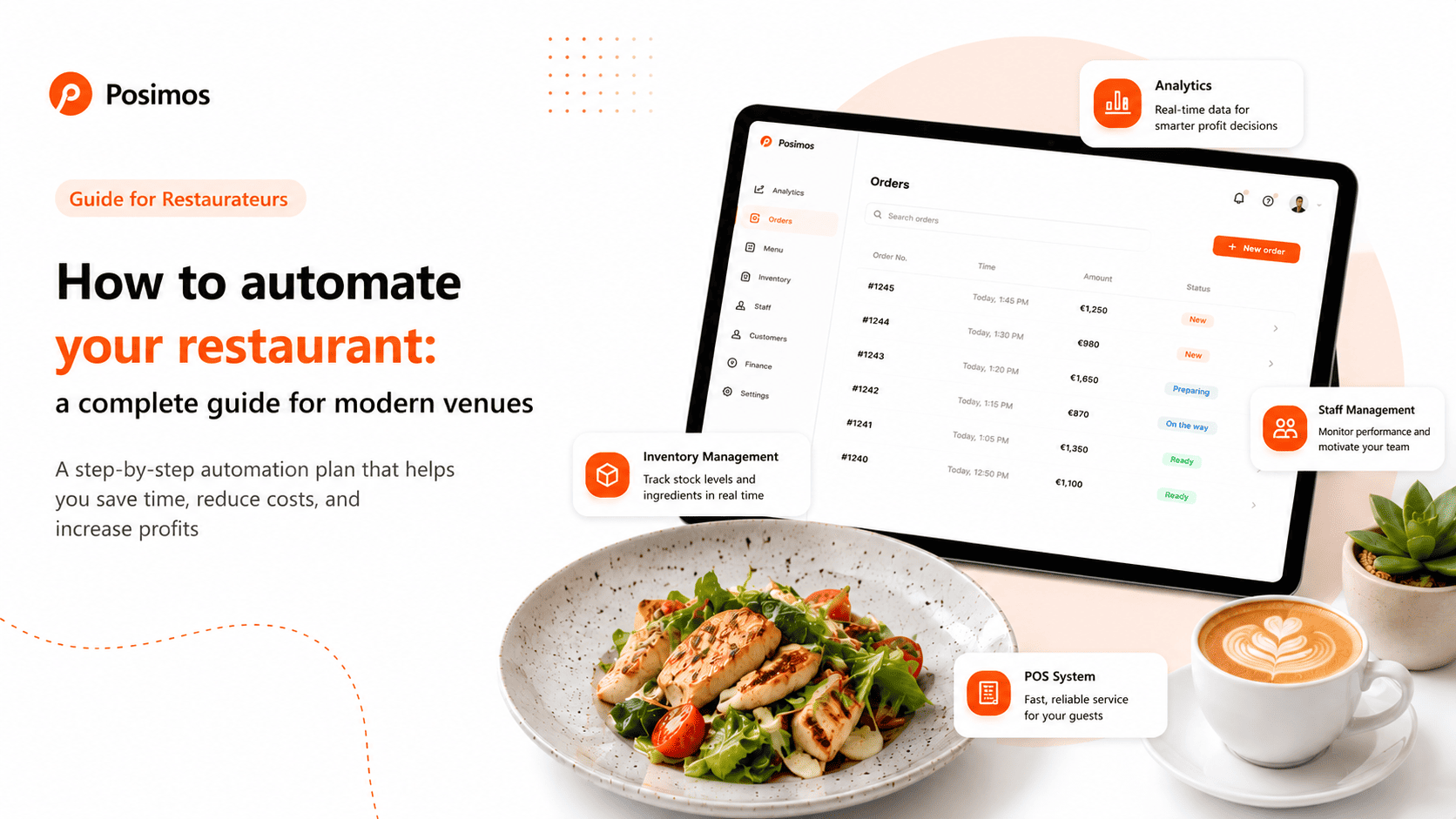
Modern POS systems combine sales, inventory management, recipe management, reporting, analytics, and staff management into one platform. Having all critical business information in one place allows owners to make faster and more informed decisions.
Conclusion
Efficient restaurant management doesn't begin with stricter employee supervision—it begins with well-designed processes. Clear operating procedures, accurate inventory tracking, recipe management, and continuous performance monitoring help eliminate many of the common challenges restaurant owners face every day.
Automation doesn't replace your team; it empowers them to work more efficiently. By reducing repetitive tasks, minimizing human error, and providing reliable business insights, technology allows owners to focus on what truly matters: growing their restaurant and delivering an outstanding guest experience.
When every part of your operation works together seamlessly, managing a restaurant becomes significantly easier, and your team can concentrate on creating exceptional dining experiences for every customer.