What Is Restaurant Inventory Management?
Restaurant inventory management is the process of tracking and controlling all food, beverages, and supplies from the moment they are received from suppliers until they are used in food preparation, written off, or sold.
The primary goal is to maintain accurate inventory records and always know exactly what products are available.
A complete inventory management system includes:
- receiving deliveries;
- recording incoming inventory;
- proper storage;
- monitoring stock levels;
- tracking ingredient usage through recipes;
- recording waste and write-offs;
- conducting inventory counts;
- analyzing inventory movement.
If any of these processes are poorly managed, unnecessary costs and operational issues will quickly follow.
Why Inventory Management Is So Important
Many restaurant owners only pay attention to inventory when a stock count reveals missing products or unexpected losses. In reality, inventory management should be part of your daily operations and help prevent problems before they occur.
An effective inventory system helps you:
- control food costs;
- maintain accurate stock levels;
- avoid over-ordering;
- reduce food waste;
- quickly identify shortages;
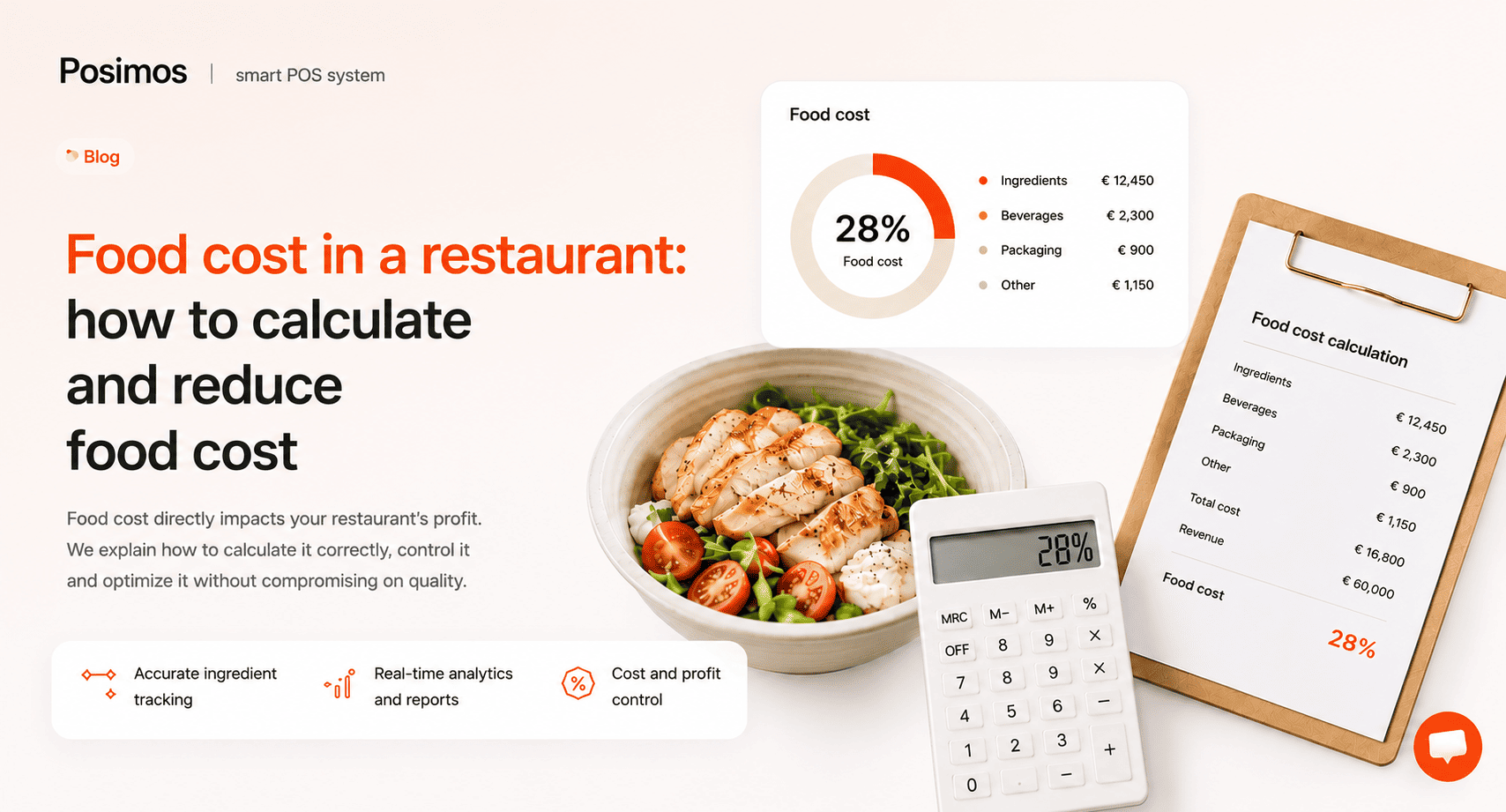
- calculate Food Cost accurately;
- improve employee accountability;
- make data-driven purchasing decisions.
In other words, inventory management is one of the most important tools for controlling restaurant profitability.
The Main Stages of Restaurant Inventory Management
1. Receiving Deliveries
Everything starts with properly inspecting incoming products.
Every delivery should be checked for:
- quantity;
- weight;
- expiration dates;
- product temperature;
- package condition;
- overall quality.
Failing to inspect deliveries immediately can result in accepting damaged or incorrect products, leaving the restaurant to absorb the loss.
2. Recording Inventory
Once products are received, they should be entered into your inventory system without delay.
The longer products remain unrecorded, the harder it becomes to track their movement accurately.
Modern inventory software allows staff to record deliveries within minutes while minimizing human error.
3. Proper Food Storage
Even high-quality ingredients can quickly spoil if they are stored incorrectly.
A well-organized storage system should include:
- dry storage areas;
- refrigerated storage;
- freezer storage;
- product labeling;
- expiration date monitoring;
- stock rotation.
Most restaurants use the FIFO (First In, First Out) method, ensuring that older inventory is used before newer deliveries.
This simple practice significantly reduces food waste.
4. Tracking Ingredient Usage with Recipes
Standardized recipes are essential for accurate inventory management.
Each recipe should specify:
- ingredients;
- exact quantities;
- portion yield;
- food cost.
When your POS system is connected to recipe management, ingredients are automatically deducted from inventory every time a dish is sold.
This improves inventory accuracy and provides real-time stock visibility.
5. Recording Write-Offs
Not every inventory write-off indicates a problem.
Common reasons include:
- food preparation;
- spoiled products;
- expired ingredients;
- staff meals;
- damaged goods;
- tasting sessions.
Every write-off should be properly documented.
Without accurate records, it becomes impossible to determine where inventory losses are occurring.
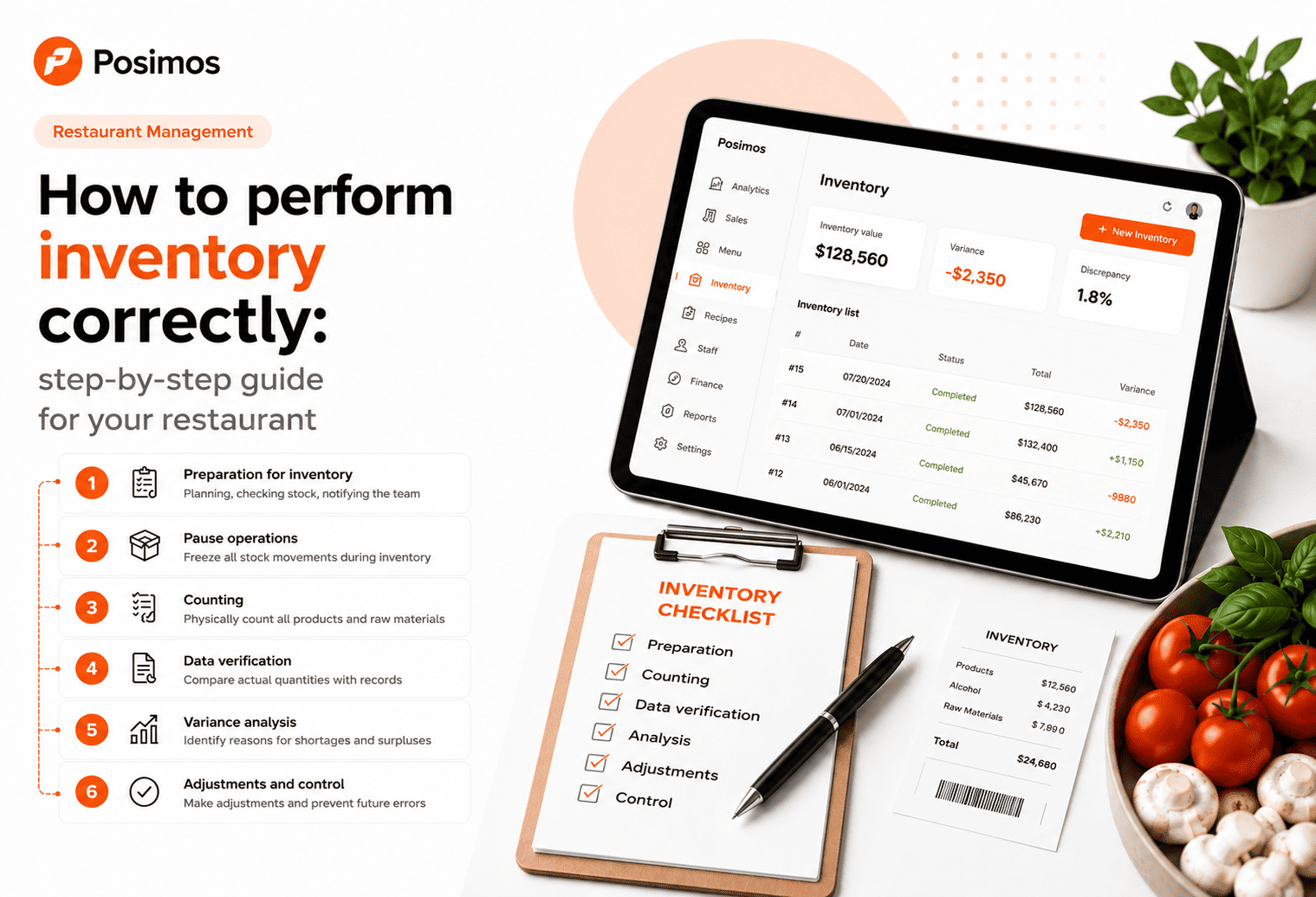
6. Conducting Inventory Counts
Even restaurants using automated inventory software should perform regular physical inventory counts.
Inventory counts help you:
- verify actual stock levels;
- identify shortages;
- detect recording errors;
- update inventory records.
Regular inventory checks are far more effective than conducting them only once or twice a year.
Common Inventory Management Mistakes
Ordering Without Data
Purchasing products based on assumptions rather than actual inventory often leads to overstocking.
As a result, many ingredients expire before they can be used.
Missing Standardized Recipes
Without standardized recipes, chefs may use inconsistent ingredient quantities.
This makes Food Cost calculations unreliable and inventory records inaccurate.
Infrequent Inventory Counts
If physical inventory is only performed a few times a year, identifying when and where inventory discrepancies occurred becomes nearly impossible.
Managing Inventory Only in Excel
Spreadsheets can work for very small businesses, but as operations grow they become increasingly difficult to maintain.
Manual data entry increases the likelihood of costly mistakes.
Poor Write-Off Tracking
Without monitoring inventory write-offs, management cannot accurately measure food waste or identify operational issues.
No Clear Inventory Responsibility
When everyone is responsible for inventory, no one is truly accountable.
Assigning one person to oversee inventory management helps maintain consistency and accuracy.
Signs Your Inventory Management Needs Improvement
Your inventory system may need attention if you regularly experience the following:
- products unexpectedly run out;
- inventory counts reveal frequent discrepancies;
- excessive food waste;
- purchasing exceeds actual consumption;
- rising Food Cost;
- managers cannot determine current stock levels;
- employees report different inventory numbers.
These are clear indicators that your inventory processes should be reviewed.
How Automation Improves Inventory Management
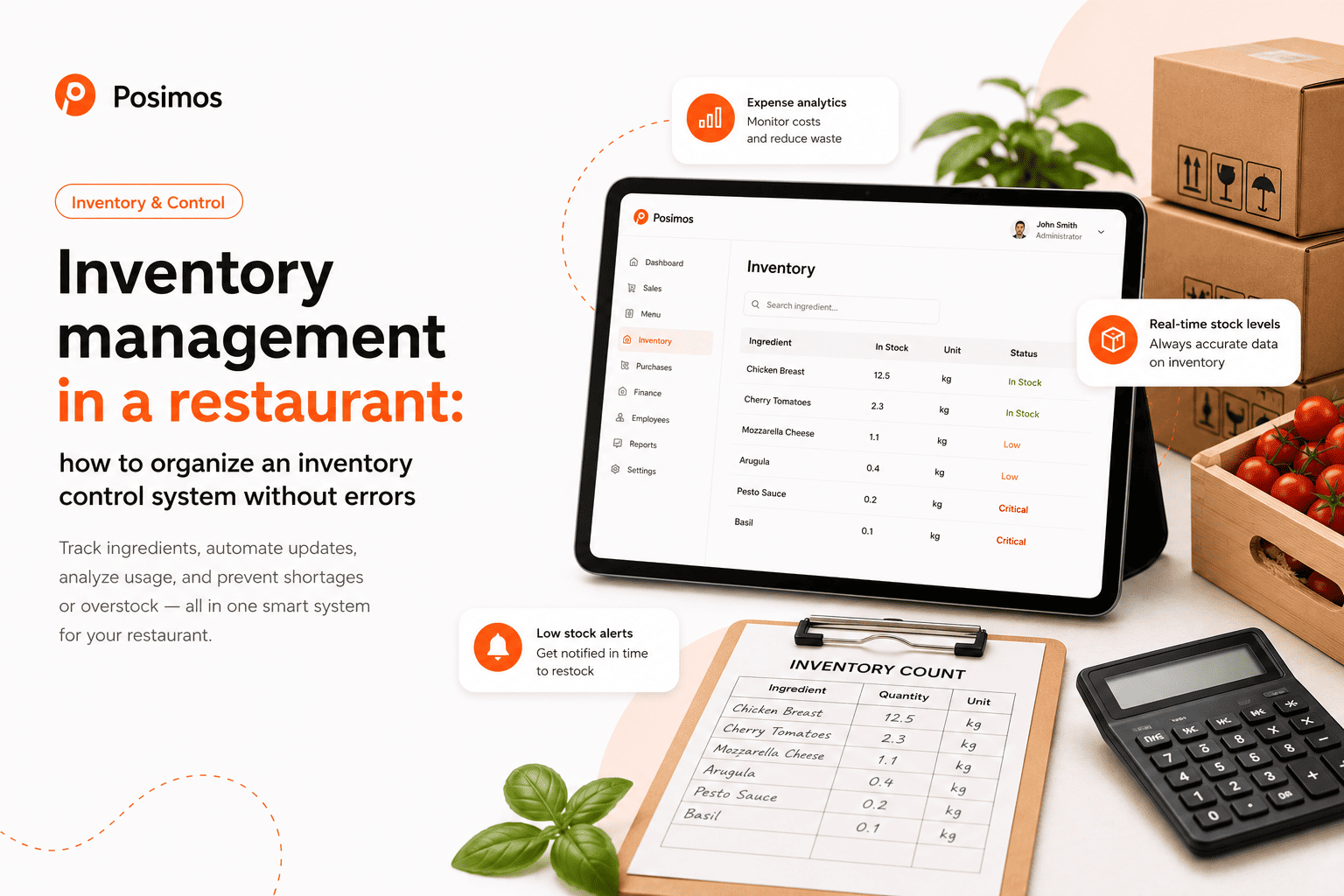
Modern POS and inventory management systems simplify stock control and reduce manual work.
Automation allows restaurants to:
- monitor inventory in real time;
- automatically deduct ingredients based on recipes;
- track current stock levels;
- speed up inventory counts;
- generate inventory movement reports;
- analyze waste and write-offs;
- forecast purchasing needs.
As a result, restaurant owners and managers always have access to accurate inventory information without relying on manual spreadsheets.
Inventory Management Checklist
Use this checklist to evaluate your current system:
- ✅ every product is recorded in your inventory system;
- ✅ every menu item has a standardized recipe;
- ✅ ingredients are deducted automatically after each sale;
- ✅ inventory counts are performed regularly;
- ✅ expiration dates are monitored;
- ✅ write-offs are analyzed;
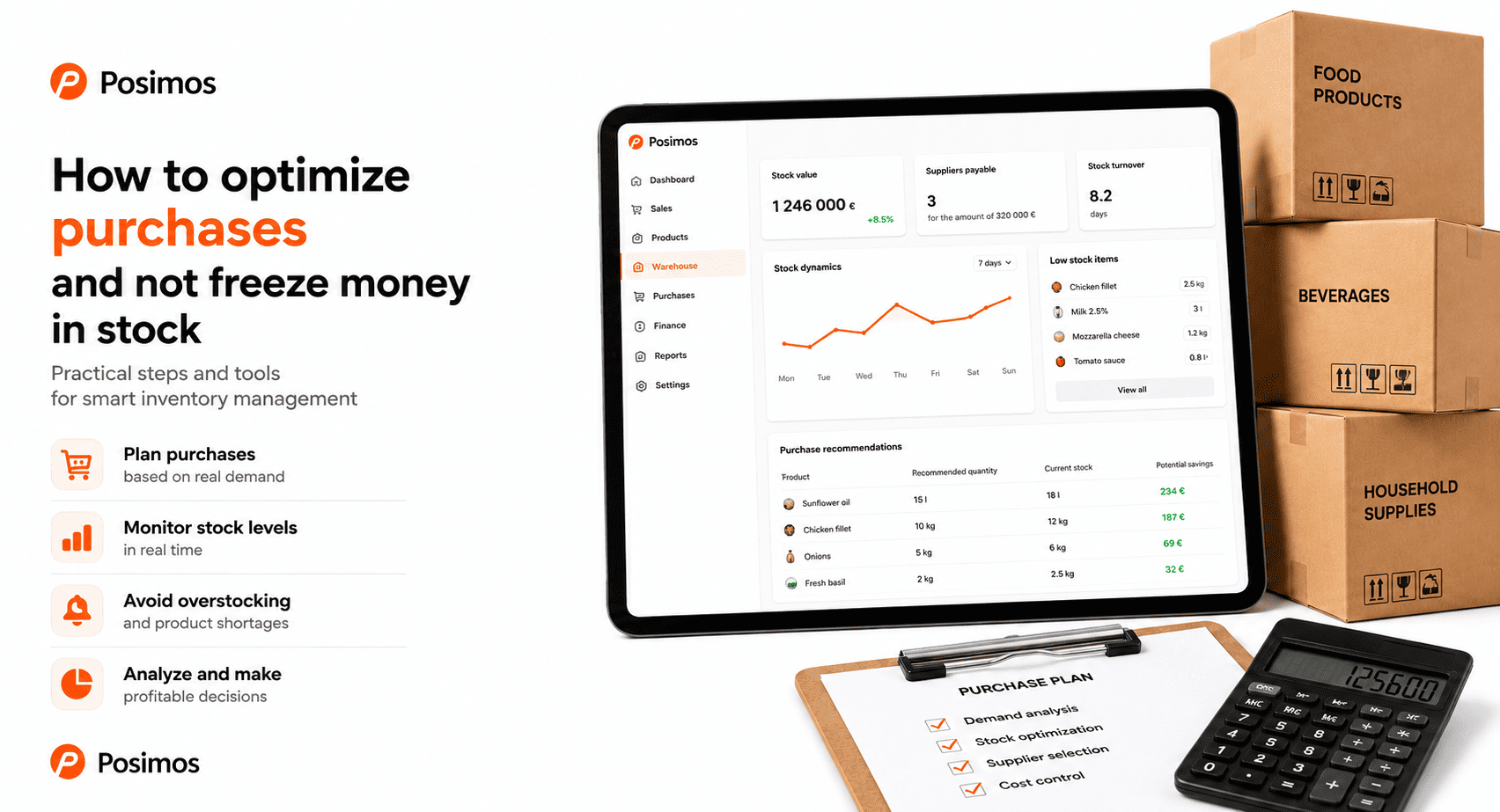
- ✅ purchasing decisions are based on actual stock levels;
- ✅ one employee is responsible for inventory management.
If most of these boxes are checked, your restaurant has a solid inventory management system.
Conclusion
Restaurant inventory management is much more than tracking stock levels. It is a critical business process that helps reduce costs, minimize waste, improve profitability, and support informed business decisions.
The more accurate your inventory system is, the easier it becomes to control expenses, prevent shortages, and maintain efficient restaurant operations. By integrating inventory management with a modern POS system, restaurants can automate routine tasks, reduce human error, and gain complete visibility into their inventory at any time.
 Oleksii Andriiuk