 Oleksii Andriiuk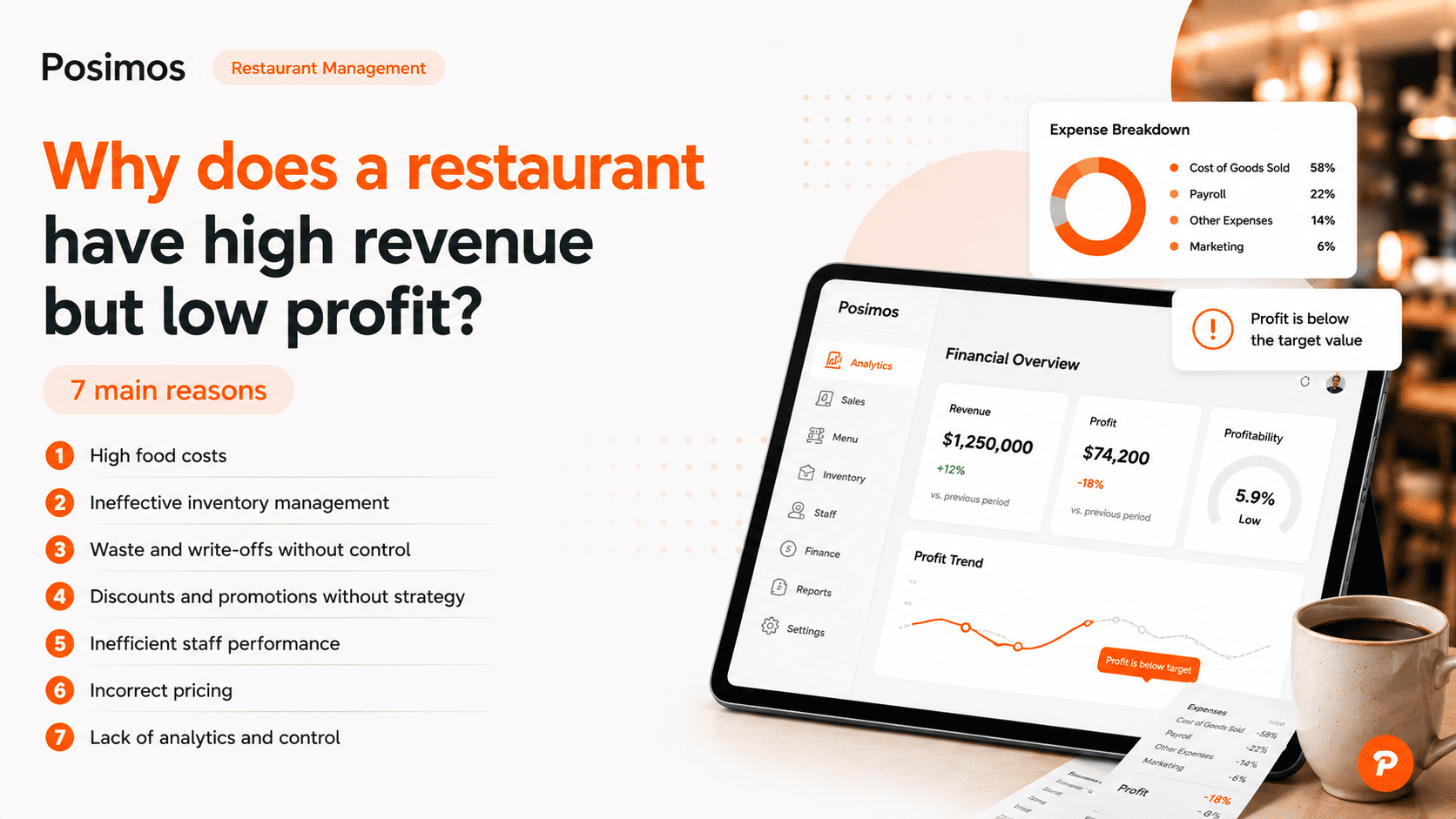
Revenue ≠ Profit: What's the Difference?
Many business owners evaluate their restaurant's performance based solely on total sales. In reality, revenue only shows how much money came in—it does not indicate how much the business actually earned.
- Revenue – the total income generated from food and beverage sales.
- Expenses – costs such as ingredients, staff salaries, rent, utilities, taxes, marketing, and other operating expenses.
- Profit – the amount remaining after all expenses have been deducted.
This is why two restaurants with identical revenue can have completely different financial results.
7 Reasons Why Your Restaurant Is Losing Profit
1. Food Costs Keep Increasing
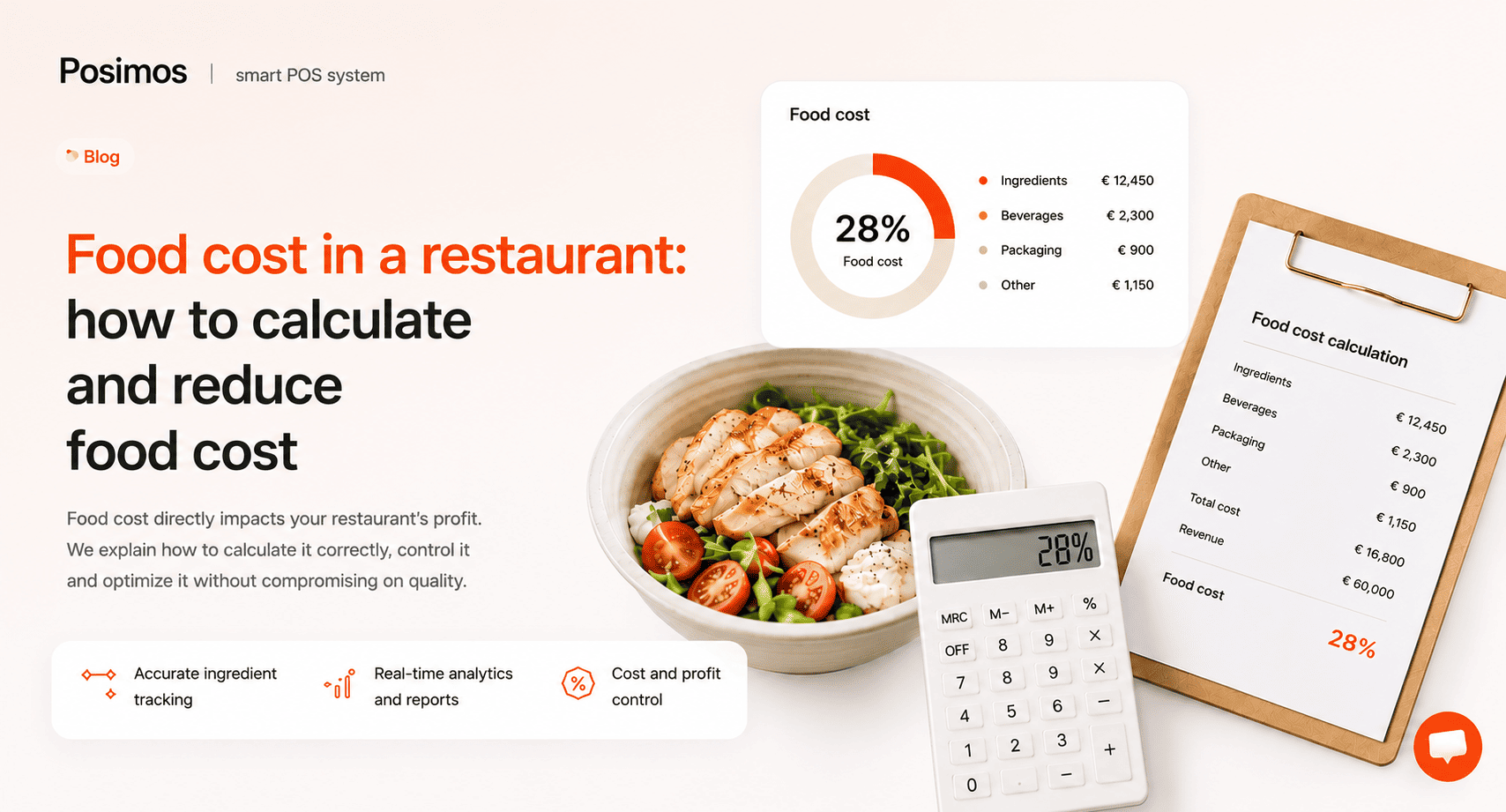
Ingredient prices change constantly. If recipes and recipe cards are not updated regularly, the cost of preparing each dish gradually increases while menu prices remain unchanged.
As a result, the restaurant continues to generate sales but earns less profit from every order.
Common causes include:
- rising supplier prices;
- lack of food cost monitoring;
- outdated recipe cards;
- inconsistent portion sizes.
2. Popular Menu Items May Have Low Profit Margins
Not every best-selling dish is highly profitable.
Some menu items sell extremely well but generate very little profit because of high ingredient costs or poor pricing.
For this reason, restaurant owners should analyze not only sales volume but also the profitability of every menu item.
3. Uncontrolled Food Waste
Without proper inventory management, restaurants lose products due to:
- expired ingredients;
- improper storage;
- staff mistakes;
- over-purchasing;
- theft.
Even small daily losses can accumulate into thousands of dollars or euros over the course of a year.
4. Purchasing More Than You Actually Need
Many restaurants order extra inventory "just in case."
This approach often leads to:
- excessive stock levels;
- spoiled products;
- cash tied up in inventory;
- reduced cash flow.
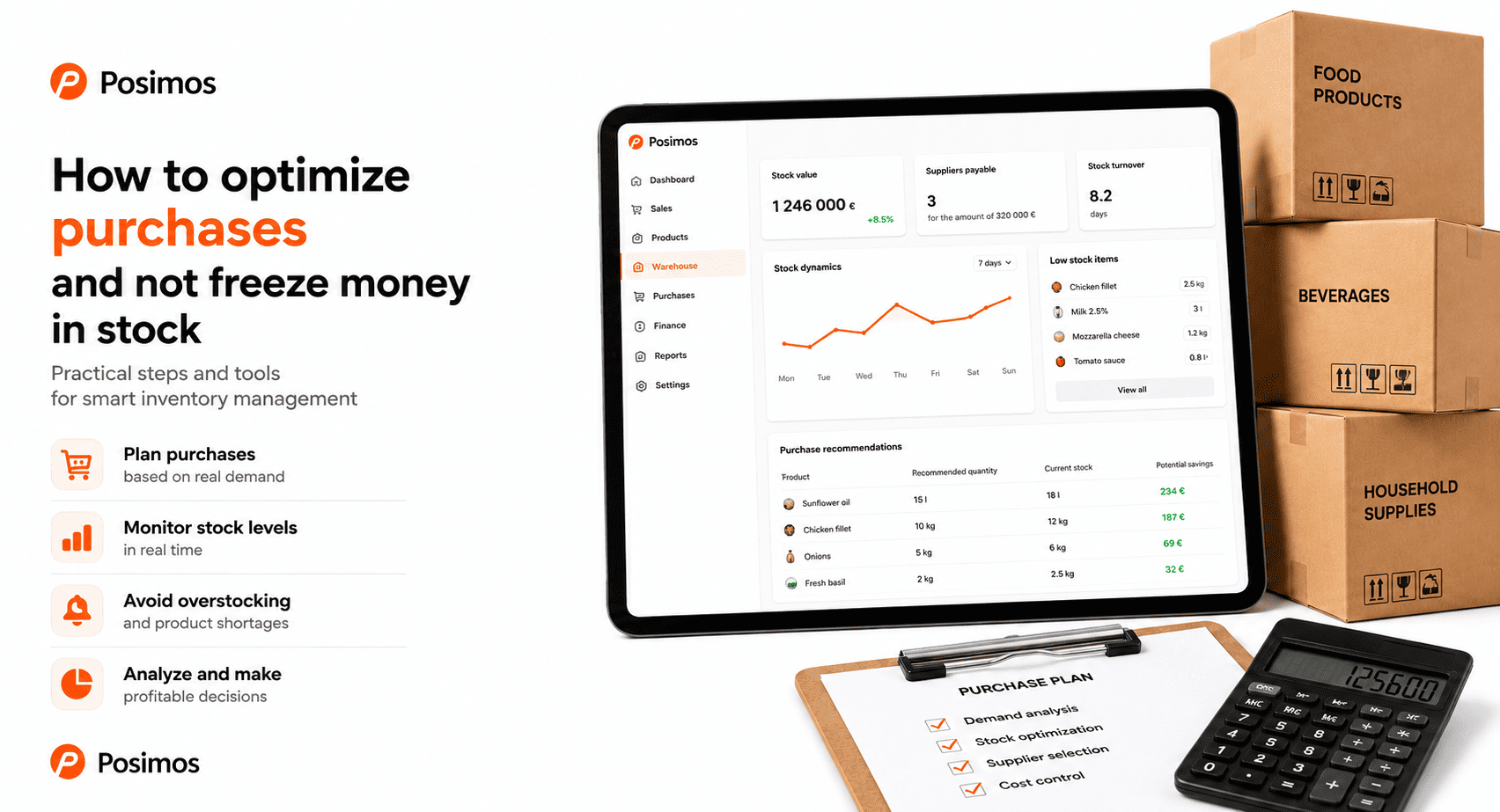
Monitoring inventory regularly helps ensure that only the necessary amount of ingredients is purchased.
5. Staff Errors or Fraud
Even small operational mistakes can significantly reduce profitability.
Common examples include:
- sales not recorded properly;
- unauthorized discounts;
- incorrect inventory write-offs;
- order-closing mistakes;
- excessive ingredient usage.
Without transparent reporting, these losses may remain unnoticed for months.
6. High Operating Expenses
Profit is affected by much more than food costs.
Major operating expenses include:
- employee wages;
- rent;
- utilities;
- payment processing fees;
- marketing;
- delivery services;
- taxes;
- equipment maintenance.
If these expenses are not reviewed regularly, they can grow faster than revenue.
7. Making Decisions Without Data
One of the biggest mistakes restaurant owners make is relying solely on intuition.
Instead, they should monitor key performance indicators such as:
- gross profit;
- food cost;
- dish cost;
- average check;
- menu profitability;
- sales trends;
- inventory levels.
Accurate data allows restaurant owners to identify problems early and make informed business decisions.
How Can You Prevent Profit Loss?
Modern POS systems help restaurant owners monitor financial performance in real time.
With Posimos, you can:
- calculate food costs automatically;
- manage recipe cards;
- monitor inventory levels;
- track ingredient consumption;
- analyze menu profitability;
- access detailed financial reports.
This enables faster decision-making based on reliable data rather than assumptions.
Conclusion
High revenue alone does not guarantee a profitable restaurant. Sustainable profitability depends on controlling food costs, inventory, purchasing, operating expenses, and financial performance.
By monitoring the right metrics and using restaurant management software, owners can reduce unnecessary expenses, improve operational efficiency, and build a more profitable business.